Signed in as:
filler@godaddy.com
Peptides are fragments of amino-acids, smaller than proteins, but made up of the same natural biological material. Many important functions in the body are based on their properties, including hormonal, neurotransmitting, and immunomodulatory functions.
Peptides have already been applied in medicine since 1921 for the treatment of diabetes (insulin). As opposed to traditional medication, the advantage is their low-toxicity and high affinity for specific targets, thus enhancing the efficacy of the treatment at low dose.
Although a multitude of peptides with promising health benefits is already available for purchase online, most of them are still experimental, and need further research to establish target population, efficiency, safety and dosing protocols. Therefore, only a minority of peptides have been approved for medical use.
Following review of some of the most researched peptides is for information purpose only.
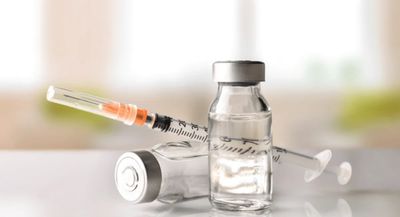

A lot of peptides get talked about for injury healing, but only a few have strong clinical evidence. BPC-157 and TB-500 are highly promising to speed up recovery from tendon, ligament or muscle tears. Both are still experimental and not approved for treatment of sports injuries yet.
Both Melanotan II and GHK-Cu are actively studied peptides for skin care, but for very different reasons : Melanotan II stimulates pigmentation (tanning) without the need for UV exposure, which can potentially have a protective effect on the skin against premature ageing and skin cancer. GHK-Cu, on the other hand, is primarily being studied for its regenerative function and repair of already damaged skin.
Retatrutide represents a next-generation and breakthrough in weight loss treatment. Unlike current therapies that target a single pathway, Retatrutide is a triple hormone receptor agonist, and positions itself at the forefront of metabolic innovation. It is currently in phase 3 of clinical trials, and will most likely be approved as a medical treatment 2026 - 2027.
hCG and Sermorelin are interesting peptides for boosting lean muscle mass, but they work in very different biological systems: hCG supports sex hormone production, and thus indirectly stimulates anabolism though increased testosterone production. Sermorelin works on the Growth Hormone axis and increases IGF-1, the key anabolic mediator.